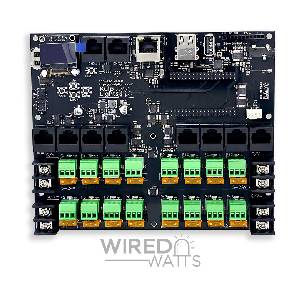
The K16-Pro by Kulp Lights is a Pocket Beagle v2 based controller that runs on FPP. It has 16 local string ports, eight on-board differential chains, and two DMX ports. Each differential chain can be used to run between one and six differential boards depending on the version of FPP and hardware. There is a single expansion port on this board that will allow for the addition of an FM transmitter.
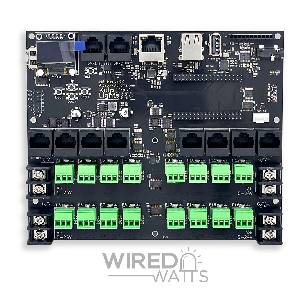
The K16-Max by Kulp Lights is a Pocket Beagle v2 based controller that runs on FPP. It has 16 local string ports, eight on-board differential chains, and two DMX ports. Each differential chain can be used to run between one and six differential boards depending on the version of FPP and hardware. There is a single expansion port on this board that will allow for the addition of an FM transmitter.
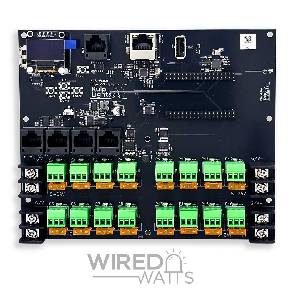
The K16-Basic by Kulp Lights is a Pocket Beagle v2 based controller that runs on FPP. It has 16 local string ports, four on-board differential chains, and one DMX port. Each differential chain can be used to run between one and six differential boards depending on the version of FPP and hardware.
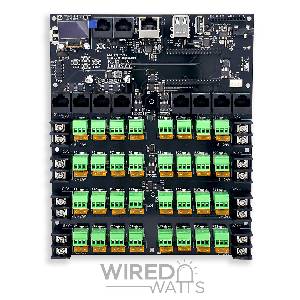
The K32-Pro by Kulp Lights is a Pocket Beagle v2 based controller that runs on FPP. It has 32 local string ports, eight on-board differential chains, and two DMX ports. Each differential chain can be used to run between one and six differential boards depending on the version of FPP and hardware. There is a single expansion port on this board that will allow for the addition of an FM transmitter.
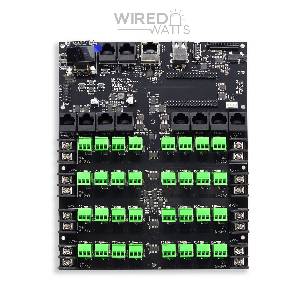
The K32-Max by Kulp Lights is a Pocket Beagle v2 based controller that runs on FPP. It has 32 local string ports, eight on-board differential chains, and two DMX ports. Each differential chain can be used to run between one and six differential boards depending on the version of FPP and hardware. There is a single expansion port on this board that will allow for the addition of an FM transmitter.
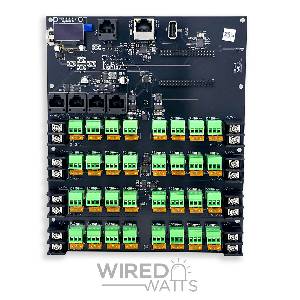
The K32-Basic by Kulp Lights is a Pocket Beagle v2 based controller that runs on FPP. It has 32 local string ports, four on-board differential chains, and one DMX port. Each differntial chain can be used to run between one and six differential boards depending on the version of FPP and hardware.
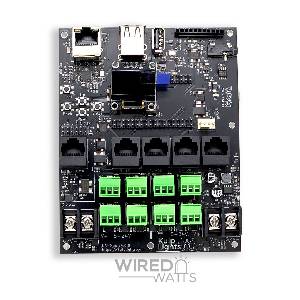
The K8-Max by Kulp Lights is a Pocket Beagle v2 based controller that runs on FPP. It has eight local string ports, four on-board differential chains, and one DMX port. Each differential chain can be used to run between one and six differential boards depending on the version of FPP and hardware. There is a single expansion port on this board that will allow for the addition of an FM transmitter.
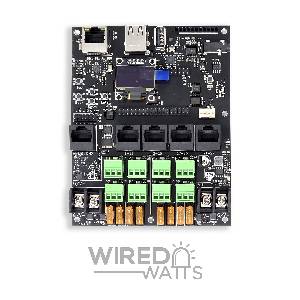
The K8-Pro by Kulp Lights is a Pocket Beagle v2 based controller that runs on FPP. It has eight local string ports, four on-board differential chains, and one DMX port. Each differential chain can be used to run between one and six differential boards depending on the version of FPP and hardware. There is a single expansion port on this board that will allow for the addition of an FM transmitter.

The K8-Pi by Kulp Lights is a Beaglebone based controller that runs on FPP. It has eight local string ports and three on-board differential chains. Each differntial chain can be used to run between one and six differential boards depending on the version of FPP and hardware. There is an expansion port that allows the addition of a single expansion board, either a differential or string expansion. The string expansion will give you 16 additional local ports while the differential expansion will afford another four receiver chains.
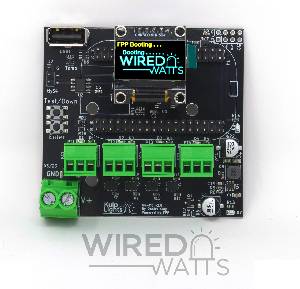
The
K4-PB by Kulp Lights is a
Pocket Beagle based controller that runs on FPP. It has four local string ports and no expansion capability.
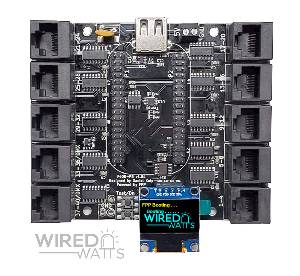
The K40D-PB by Kulp Lights is a Pocket Beagle based controller that runs on FPP. It has no local string ports and ten on-board differential chains. Each chain can be used to run between one and six differential boards depending on the version of FPP and hardware. There is no further expansion capability on this board.
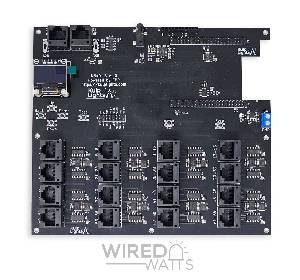
The K64D-B by Kulp Lights is a Beaglebone based controller that runs on FPP. It has no local string ports, 16 on-board differential chains, and two DMX ports. Each differential chain can be used to run between one and six differential boards depending on the version of FPP and hardware. There is a single expansion port on this board that will allow for the addition of an FM transmitter.
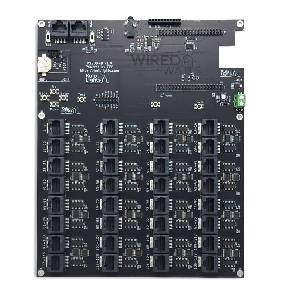
The K128D-B by Kulp Lights is a Beaglebone based controller that runs on FPP. It has no local string ports, 32 on-board differential chains, and two DMX ports. Each differntial chain can be used to run between one and six differential boards depending on the version of FPP and hardware. There is a single expansion port on this board that will allow for the addition of an FM transmitter.
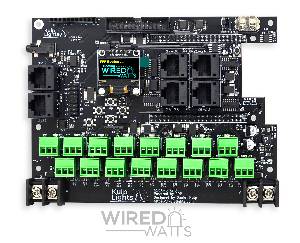
The K16A-B by Kulp Lights is a Beaglebone based controller that runs on FPP. It has 16 local string ports and four on-board differential chains. Each differential chain can be used to run between one and six differential boards depending on the version of FPP and hardware. There are two expansion ports on this controller. One port is dedicated to adding an FM transmitter. The second expansion port allows for the addition of a single pixel expansion board, either a differential or string expansion. The string expansion will give you 16 additional local ports while the differential expansion will afford another four receiver chains.
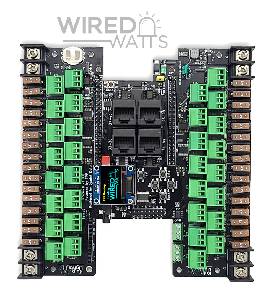
The K32A-B by Kulp Lights is a Beaglebone based controller that runs on FPP. It has 32 local string ports and four on-board differential chains. Each differential chain can be used to run between one and six differential boards depending on the version of FPP and hardware. There is a single expansion port on this board that will allow for the addition of an FM transmitter.
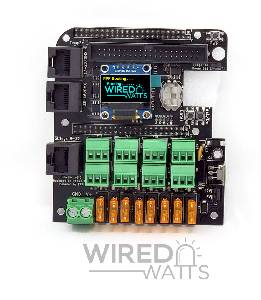
The K8-B by Kulp Lights is a Beaglebone based controller that runs on FPP. It has eight local string ports and three on-board differential chains. Each differntial chain can be used to run between one and six differential boards depending on the version of FPP and hardware. There is an expansion port that allows the addition of a single expansion board, either a differential or string expansion. The string expansion will give you 16 additional local ports while the differential expansion will afford another four receiver chains.
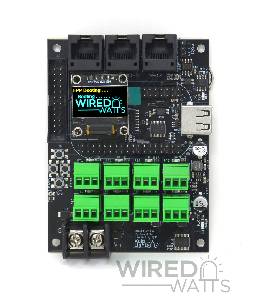
The K8-PB by Kulp Lights is a Pocket Beagle based controller that runs on FPP. It has eight local string ports and three on-board differential chains. Each differential chain can be used to run between one and six differential boards depending on the version of FPP and hardware. There is an expansion port that allows the addition of a single expansion board, either a differential or string expansion. The string expansion will give you sixteen additional local ports while the differential expansion will afford another four receiver chains.
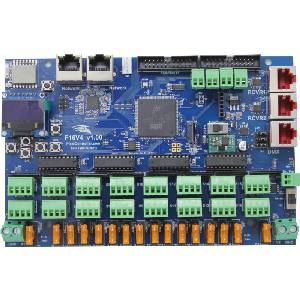
The F16v4 (Blue) by Pixelcontroller.com is an embedded style controller running proprietary firmware. It has 16 local string ports and three on-board differential ports. The differential ports can be used to run between one and six differential boards depending on the hardware. There are two expansion ports on this board that will allow for the addition of two pixel expansion boards, one on each port, either a differential or string expansion. The string expansion will give you 16 additional local ports while the differential expansion will afford another four receiver ports.

The F16v5 (Blue) by Pixelcontroller.com is an embedded style controller running proprietary firmware. It has 16 local string ports, four on-board differential ports, and one DMX port. The differential ports can be used to run between one and six differential boards depending on the hardware. There is no further expansion capability on this board.
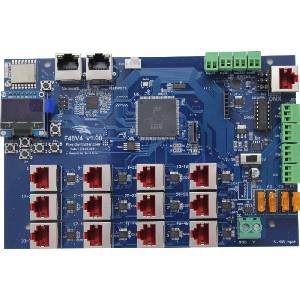
The F48v4 (Blue) by Pixelcontroller.com is an embedded style controller running proprietary firmware. It has four local string ports, 12 on-board differential ports, and one DMX port. The differential ports can be used to run between one and six differential boards depending on the hardware. There is no further expansion capability on this board.

The F48v5 (Blue) by Pixelcontroller.com is an embedded style controller running proprietary firmware. It has four local string ports, 12 on-board differential ports, and one DMX port. The differential ports can be used to run between one and six differential boards depending on the hardware. There is no further expansion capability on this board.
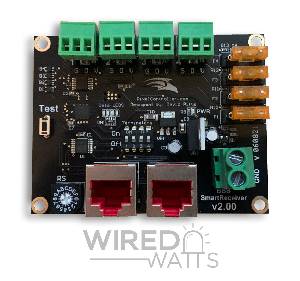
The Falcon SRx1 is an expansion board that uses the Falcon receiver protocol. It has four local string ports and no differential ports. There is no further expansion capability on this board.
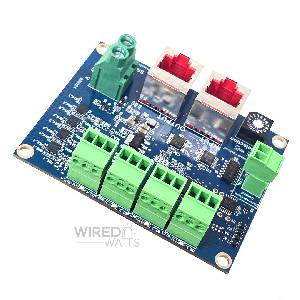
The Falcon SRx1v5 is an expansion board that uses the Falcon receiver protocol. It has four local string ports and no differential ports. There is no further expansion capability on this board. This board will provide capability to report back to a F16v5 or F48v5
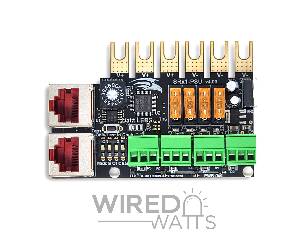
The Falcon Smart Receiver board (SRx1-PSU) is an expansion board that uses the Falcon receiver protocol. It has four local string ports and no differential ports. There is no further expansion capability on this board.
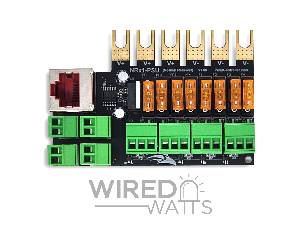
The Falcon Receiver board (NRx1-PSU) is an expansion board that uses the Falcon receiver protocol. It has four local string ports and no differential ports. There is no further expansion capability on this board.
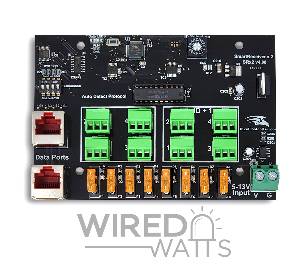
The Falcon SRx2 is an expansion board that uses the Falcon receiver protocol. It has eight local string ports and no differential ports. There is no further expansion capability on this board.
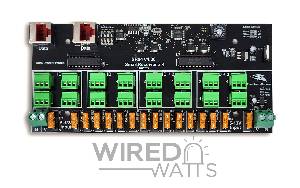
The Falcon SRx4 is an expansion board that uses the Falcon receiver protocol. It has 16 local string ports and no differential ports. There is no further expansion capability on this board.
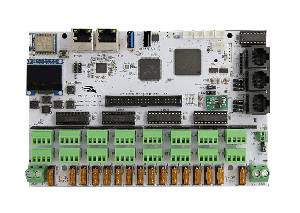
The F16v3 (White) by Pixelcontroller.com is an embedded style controller running proprietary firmware. It has 16 local string ports, one on-board differential port, and two DMX ports. The differential port can be used to run between one and three differential boards depending on the firmware and hardware. There is a single expansion port on this board that will allow for the addition of two pixel expansion boards, either a differential or string expansion. The string expansion will give you 16 additional local ports while the differential expansion will afford another four receiver ports.
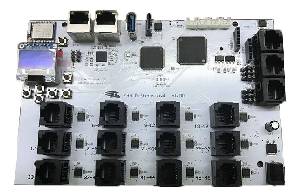
The F48v1 (White) by Pixelcontroller.com is an embedded style controller running proprietary firmware. It has no local string ports and 12 on-board differential ports. The differential ports can be used to run between one and three differential boards depending on the firmware and hardware. There is no further expansion capability on this board.
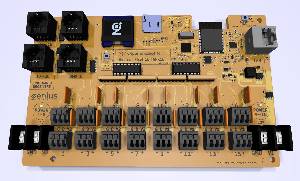
The GPX16 by ExperienceLights.com is an embedded style controller running proprietary firmware. It has 16 local string ports.
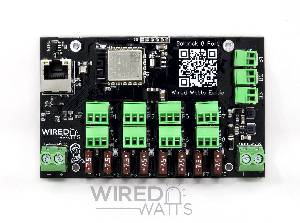
The
The Baldrick Pixel 8 By iLightThat is an embedded style controller running proprietary firmware. It has eight local string ports and no differential ports. There is no further expansion capability on this board.
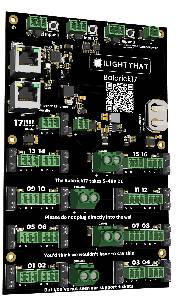
The The Baldrick Pixel 17 By iLightThat is an embedded style controller running proprietary firmware. It has 17 local string ports and three input ports. There is no further expansion capability on this board.

The RPi-28D+ by Hanson Electronics is a Raspberry Pi based controller that runs on FPP. It has two local string ports, three if you run in DPI mode. It can be expanded via the DMX / LOR / Renard output port.

The RPi-MFC by Hanson Electronics is a Raspberry Pi based controller that runs on FPP. It has one local string ports and one local port for P5 / P10 panels. It can be expanded via the DMX / LOR / Renard output port.
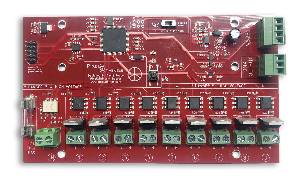
The Pixel2Things AC is an embedded AC style board with no further expansion. It uses three pixels worth of data to ramp / dim nine AC channels.